

Ways to Increase Your Protein Levels Before Your Next Visit
Deferred for low protein? Here's what that actually means — and what to do about it.
If you showed up for a donation and got sent home because your protein levels came back low, you're not alone, and you didn't do anything wrong. This is one of the more common reasons for a deferral, and it's also one of the most fixable. Here's what's actually happening, and what you can do before your next visit.
Why Protein Gets Checked at All
Plasma is mostly water — more than half of your blood and about 92% water, in fact — but what makes it valuable as medicine is everything dissolved in that water: antibodies, clotting factors, and other proteins that go on to treat real patients with immune and bleeding disorders.
The screening checks your protein levels because they matter for both sides of the equation — your own health, and the quality of what gets collected.
A low reading just means your levels weren't where they needed to be that day, not that something is permanently off.

What Actually Moves the Number
The fix isn't a last-minute scramble the morning of your appointment — it's a few consistent days of eating a bit more protein than usual. None of this requires a meal plan or anything you can't find at a regular grocery store.
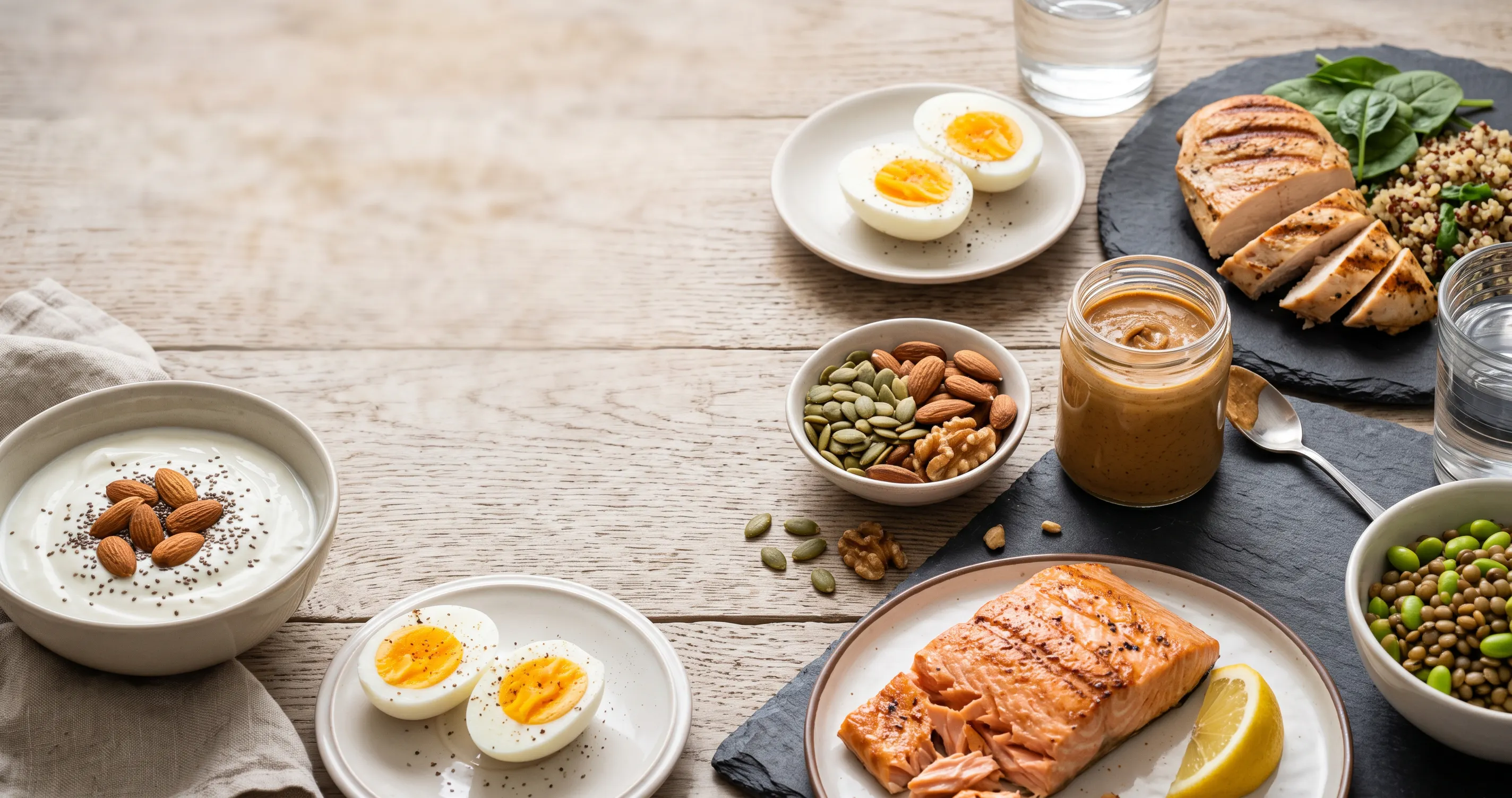
Lean meats and poultry: A 3 oz serving of sirloin runs about 26g of protein, and 93% lean ground beef is close behind at around 24g — both solid options if you're sticking to leaner cuts. Pork clocks in around 26g per 3.5 oz serving, and a 4 oz roasted chicken breast gets you about the same.
Eggs and dairy: Three large eggs add up to roughly 19g of protein — noticeably more than a bowl of oatmeal, if you're looking for an easy breakfast swap. A half cup of cottage cheese adds another 11g, and it's an easy one to keep on hand.
Plant-based options: Tofu, edamame, lentils, beans, nuts, seeds, and dark leafy greens all count, and they're easy to fold into meals you're already making. One thing worth watching: some processed plant-based meat substitutes run high in saturated fat and sodium, so it's worth a quick label check if that's your main source.
Quick adds: Two tablespoons of peanut butter on fruit or vegetables adds about 7g of protein with almost no effort. Canned tuna or salmon gets you around 19g per 3.5 oz for about 90 calories. And if shakes or bars are more your speed, a scoop of whey powder is roughly 17g of protein — with vegan protein powders available if dairy isn't an option for you.

A Quick Note on Diet Changes
Everybody's body responds a little differently to changes in diet, and that's especially true if you have existing dietary restrictions or health conditions.
If you're planning to make a real adjustment to how you're eating, it's worth a quick conversation with your doctor first — not because any of this is risky, but because they know your situation better than a blog post can.
This Is a Pause, Not a Dead End
A low-protein deferral means come back another time, not don't come back at all. Give it a few days of eating with this in mind, and you're giving yourself a real shot at a different result next time you're in the chair.
When you're ready, go ahead and get back on the schedule — the patients who depend on what you're donating are still counting on it, and so is the version of you that was already showing up.
Protein content figures referenced from the American Red Cross, "How to Get More Protein to Donate Plasma". This post is for general informational purposes and isn't medical advice — talk to your doctor before making significant changes to your diet.