

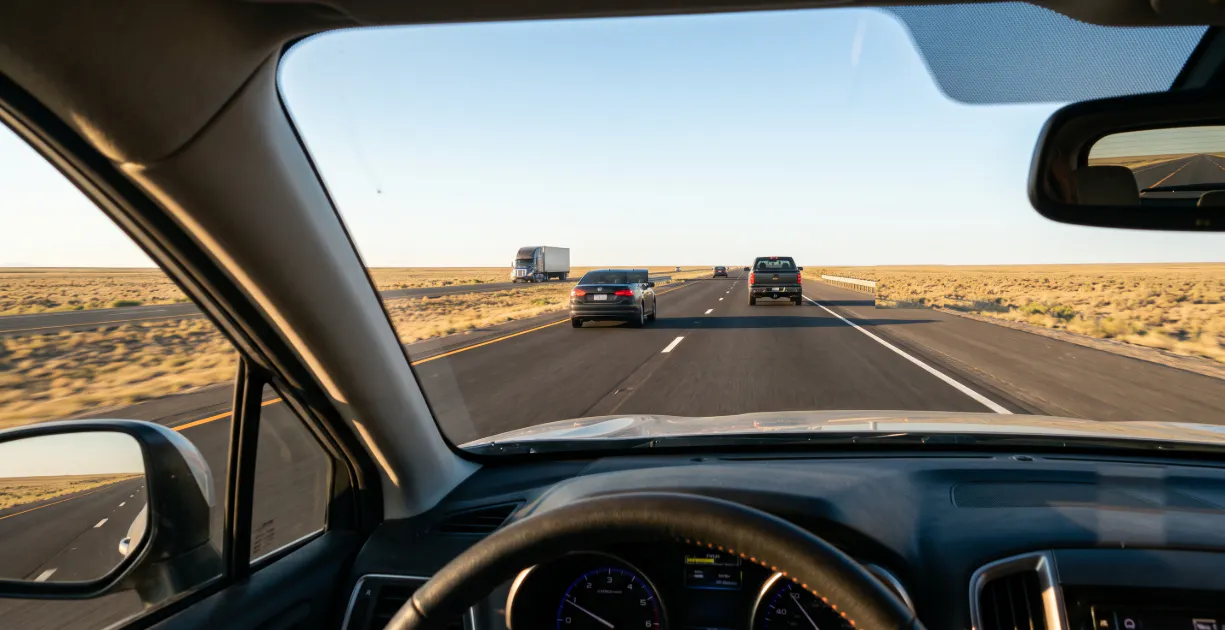
Turn Your Commute Into Donation Time
You're already driving past a center. Here's how commuters are working plasma donation into a route they're already running.
If your day already includes a drive to work, a school drop-off loop, or a regular errand route, you might be passing right by a way to earn extra cash without rearranging your schedule. Plasma donation doesn't have to be its own separate trip — for a lot of donors, it's just another stop on a route they were already driving.
The Mental Math Most Commuters Get Wrong
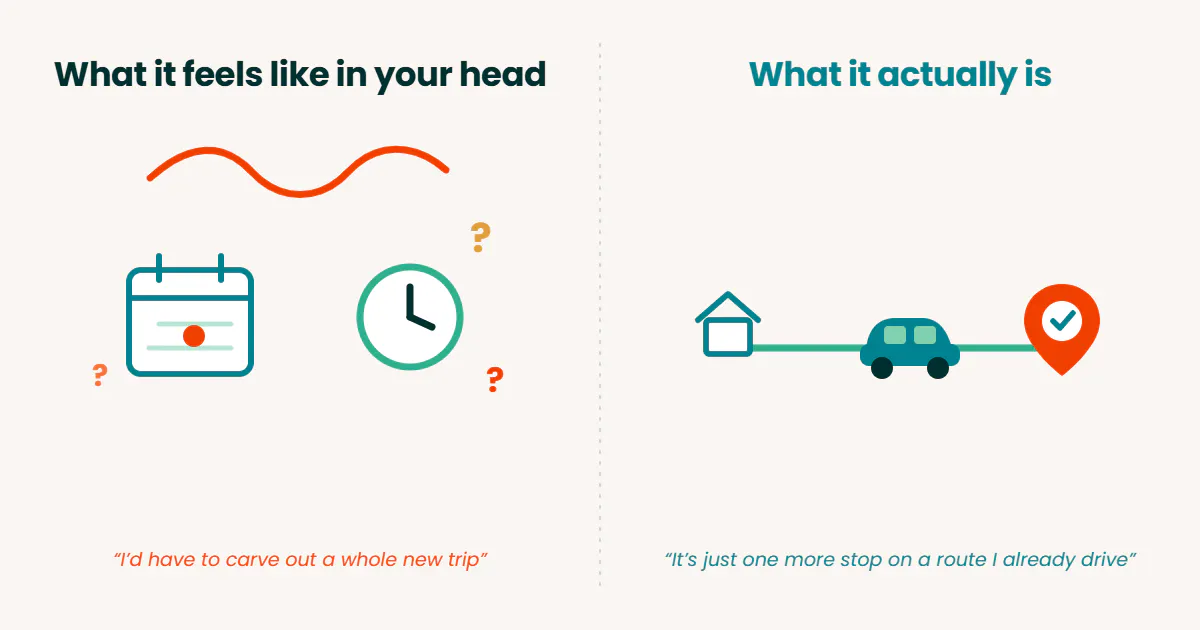
When people picture fitting in a donation, they imagine carving out a whole new chunk of their day from scratch. But most commuters aren't starting from zero — they're starting from a route that already exists. The real question isn't "do I have time to donate," it's "can a center fit into the drive I'm already making."
For a lot of donors near one of our centers, the answer is yes. A donation visit (after your first one) typically runs faster than a lunch break, which means it can slot in before work, after drop-off, or on the way home — without becoming a whole separate errand.
Three Ways Donors Build It Into Their Drive
- 🚗 Before the clock-in - Donate on the way to work instead of grabbing coffee. You're up early anyway — might as well make the drive count twice.
- 🏫 Around school drop-off - Parents donating near school pick-up or drop-off windows turn dead time in the car into earned time in the chair.
- 🛒 Stacked with errands - Groceries, gas, pharmacy run — donors often treat a center as one more stop on the loop they were already making.
None of these require a special trip. They just require knowing a center is on (or near) the route you're already driving.
What the Time Actually Looks Like
Your first visit takes longer because of the screening — figure around 90 minutes. After that, return visits move faster, since you've already cleared the health history and screening steps that take up most of visit one. Most returning donors are in and out in well under that.
That's the part commuters tend to underestimate. It's not a once-a-month special occasion — it's closer to a quick stop you can fold into a week you're already living.
Find A Center On Your Route
If you've got a regular drive — to work, to school, to the gym — there's a decent chance a Parachute center sits somewhere along it. Find a center near you and see how it lines up with where you're already headed.
Find A Center Near You
Check out our center locations to see if you could be eligible to donate plasma!
Have Questions?
Consult our FAQs
This article is for informational purposes only. It is not, nor is it intended to be, a substitute for professional medical advice, diagnosis, or treatment and should never be relied upon for specific medical advice.